



Safety begins before booking
An informed decision requires knowing who will care for you, what assessment is planned and which resources will be available. These questions are part of preparing your stay.
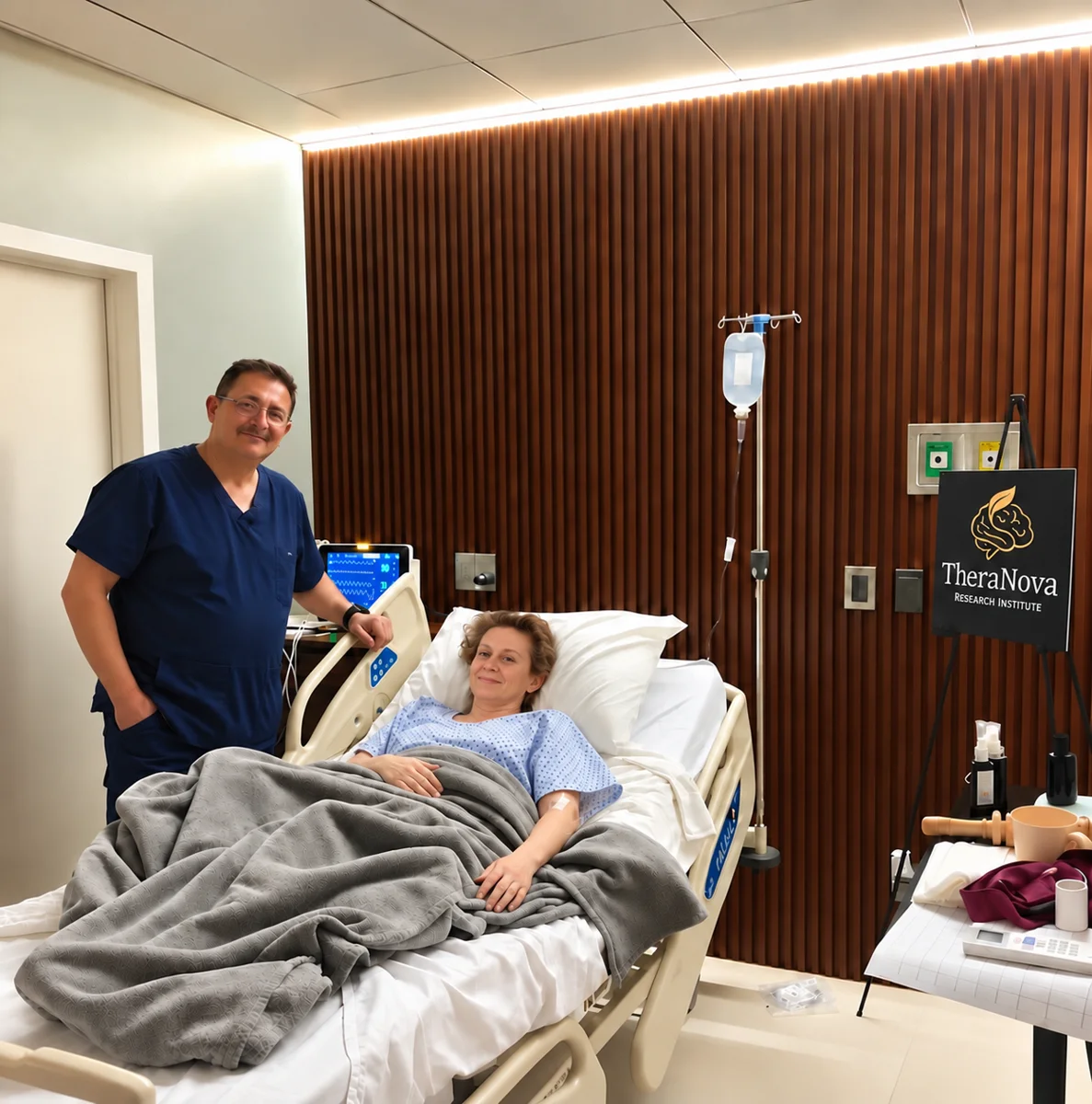
From your first conversation to arrival
- 01
Initial contact
Explain your questions and the guidance you seek.
- 02
Clinical application
Share history through the designated clinical channel.
- 03
Eligibility review
The team reviews needs and care options.
- 04
Preparation and travel
Receive guidance after admission is confirmed.
- 05
Arrival assessment
In-person review allows the plan to be adjusted.
Complete clinical information
Share medicines, supplements, allergies, health history and previous treatment. The clinician determines required tests and reviews; admission may require another form of care.
Specific questions for the team
Request the names and qualifications of your care providers, planned monitoring, emergency response arrangements and referral criteria. Confirm which services your proposal includes.
Consent and expectations
Take time to understand risks, alternatives and limits. You may ask for clarification before accepting an intervention; images on this website do not replace that information.
Tests, medicines and individual review
Institutional materials include ECG, laboratory tests, physical examination and vital signs in the arrival assessment. Results are interpreted alongside history and medicines. Include prescriptions, supplements and other substances. Review may lead to further information requests, preparation changes or a recommendation for another level of care; the process must allow for those decisions.
Clinical monitoring does not eliminate risk
Ibogaine research has identified important cardiac risks, including QT interval changes and arrhythmias. Care setting, eligibility and consent require particular attention. Before deciding, request an understandable explanation of relevant risks and alternatives; monitoring cannot provide a promise of absolute safety.