



Treatment for opioid dependence
Prescription opioids and other substances call for a careful review of your history. An assessment provides space to discuss the support you need and continuity of care.

A space to receive care
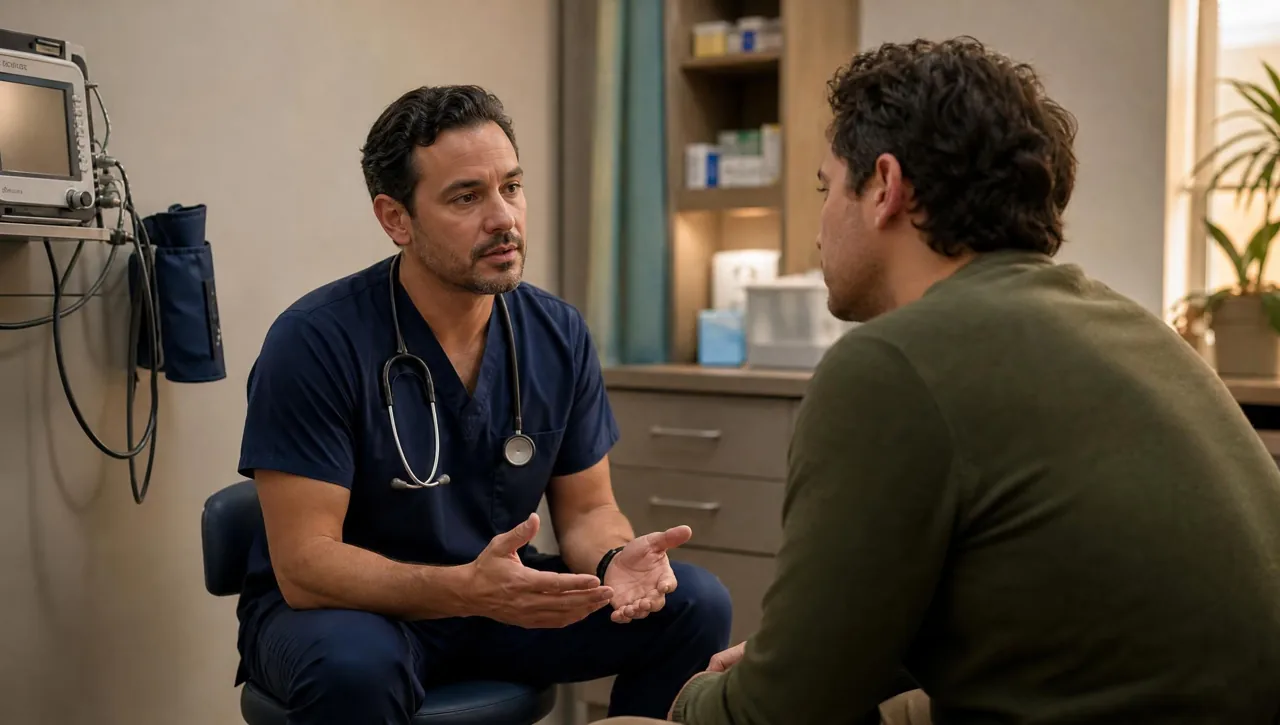
Opioids, dependence and everyday impact
Opioids include prescribed pain medicines and substances such as heroin. Physical dependence may involve withdrawal on stopping; a use disorder requires evaluating a problematic pattern and its consequences. Discussing both aspects helps review pain, functioning and care needs without automatically equating a prescription with addiction.
Established treatment options
Medications for opioid use disorder are associated with lower overdose and mortality risk. Ask about evidence-based alternatives, including medication treatment, and their availability in your situation.
Medication review
Include oxycodone, tramadol, methadone, buprenorphine and any other medicines you use. The team needs this information to review interactions and continuity; adjustments belong with the responsible clinician.
A plan beyond your stay
Clarify follow-up, support in your community and when to seek further care. Program duration is decided after reviewing your needs.
Physical dependence and prescribed treatment
When opioids are part of medical treatment, explain why they were prescribed, the benefits sought and any difficulties that have arisen. The discussion should consider pain, daily functioning and continuity of care. Share prescriptions and history through the appropriate clinical channel; the responsible professional will determine reviews and coordination with your current provider.
A plan for continuing after discharge
Follow-up deserves as much clarity as preparation for your stay. Confirm who will review progress, how to contact the team and what resources are available where you live. Ask about medication and psychological support options. CDC advises against detoxification alone for this disorder because of subsequent risks of return to use and overdose.
Discuss medicines without changing them on your own
Methadone, buprenorphine and other medicines should be accurately recorded during assessment. If exploring another procedure, request a review of compatibility and alternatives rather than assuming current treatment must stop. Transitions, timing and decisions belong with the clinical team; a webpage or admission conversation cannot determine a personal protocol.
Questions about this topic
Can I inquire if I have chronic pain?
Yes. Mention pain and current treatment so assessment considers both needs and continuity with your providers.